L- and T-Elements
That’s how the Wall was built
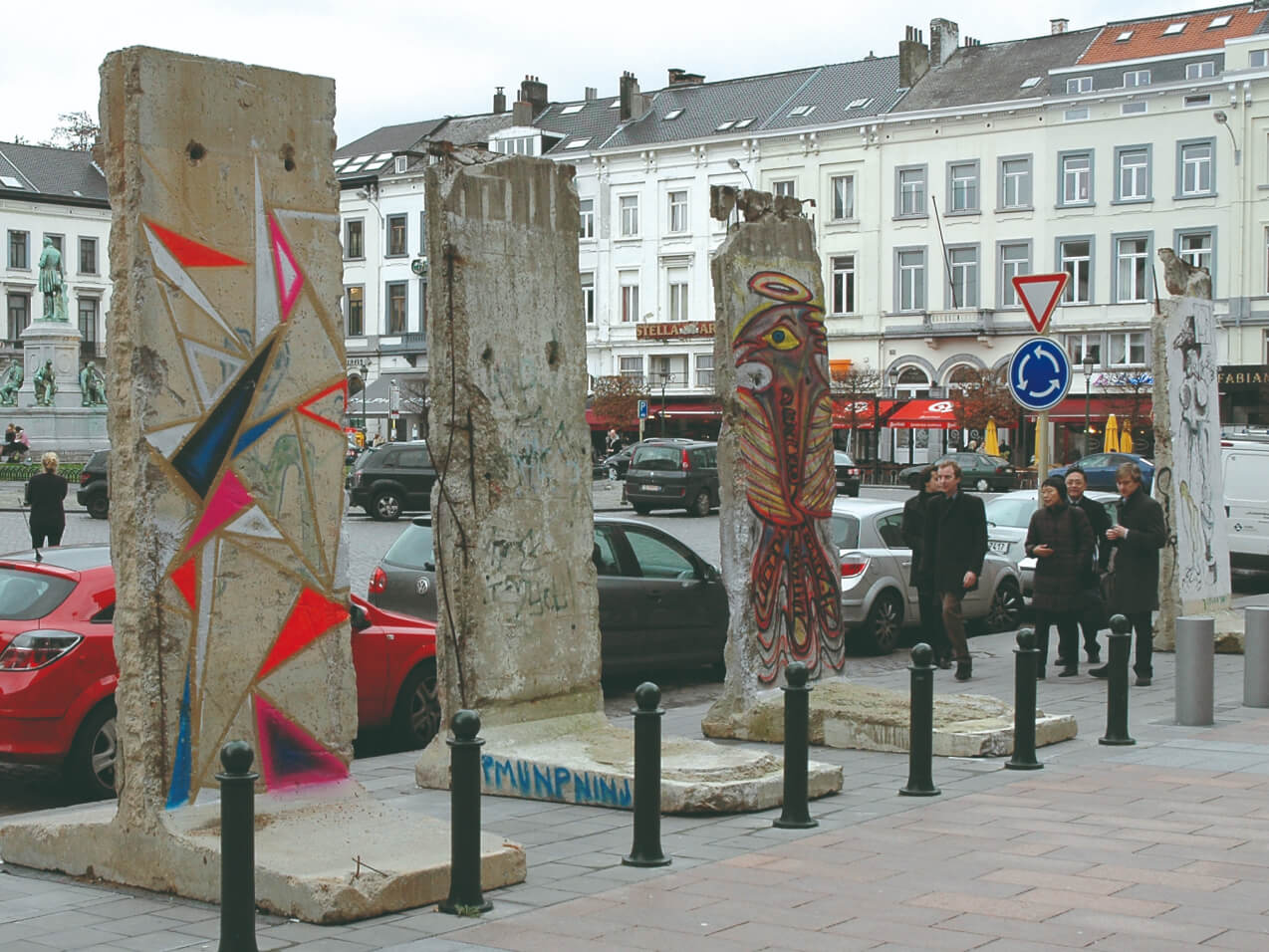
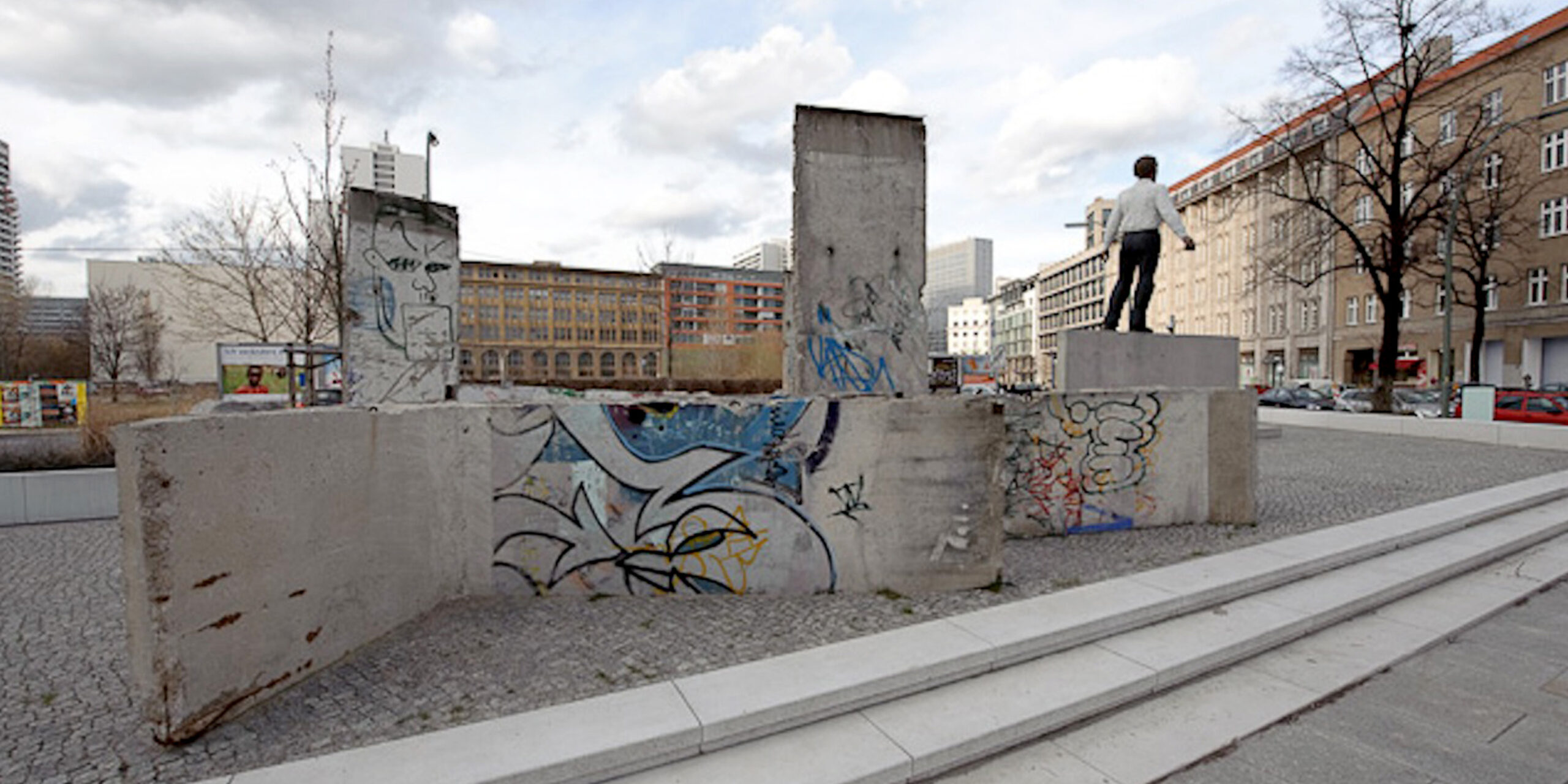
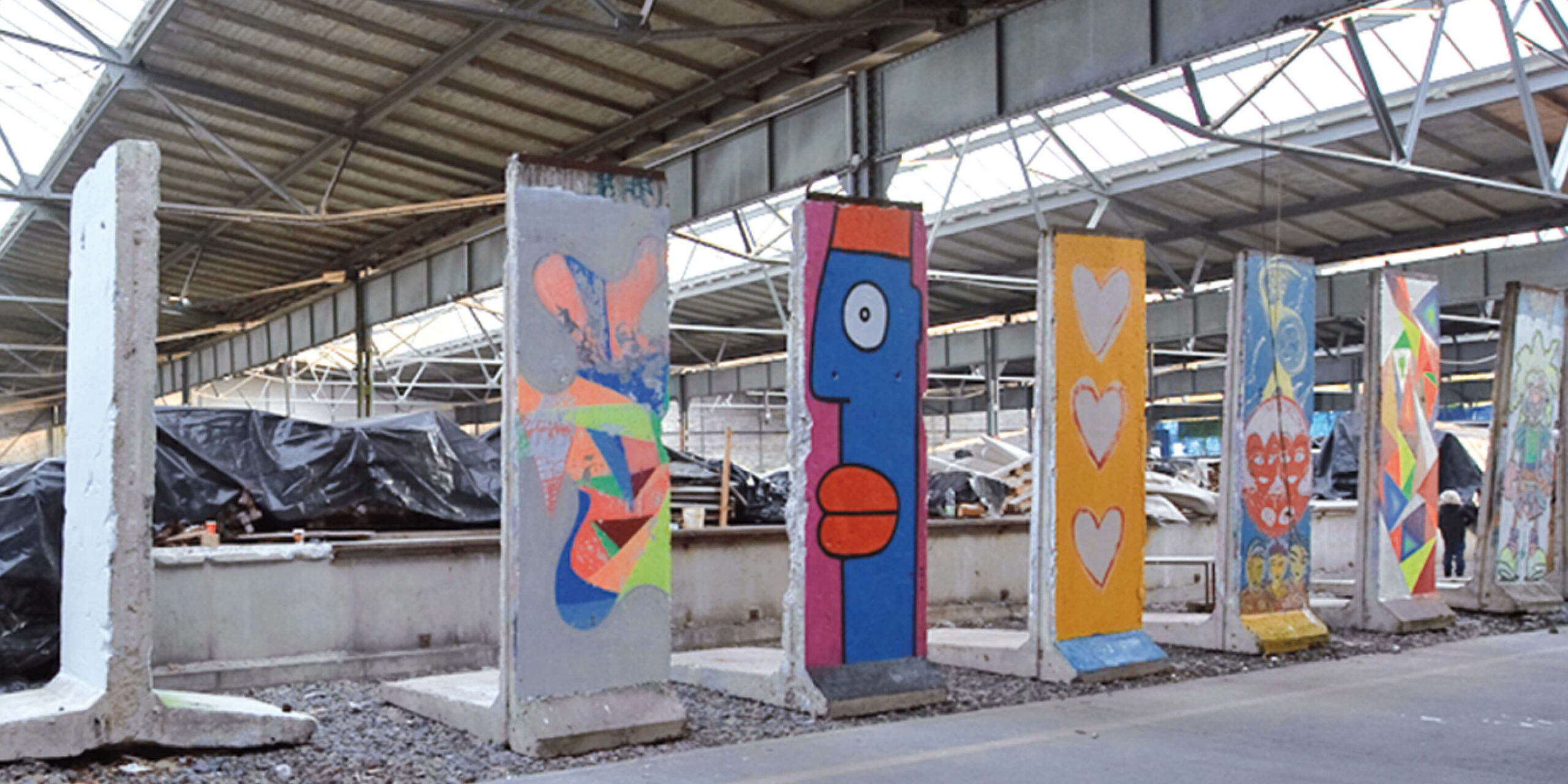
The ‘Border Wall 75’ (frontland wall), constructed in segments, was a blockage system with barrier properties. The elements, designated UL 12.41, were 3.60 metres high, 1.20 metres wide, approximately 0.15 metres deep and stood on a 2.10-metre-deep base.
They constituted the fourth type of Berlin Wall, recognisable by the grooves on the sides and the upper metal edge. The grooves allowed the elements to be interlocked sideways to form a seamless wall. The elements were dismantled in 1990 from the inner-city border, for instance at Potsdamer Platz.
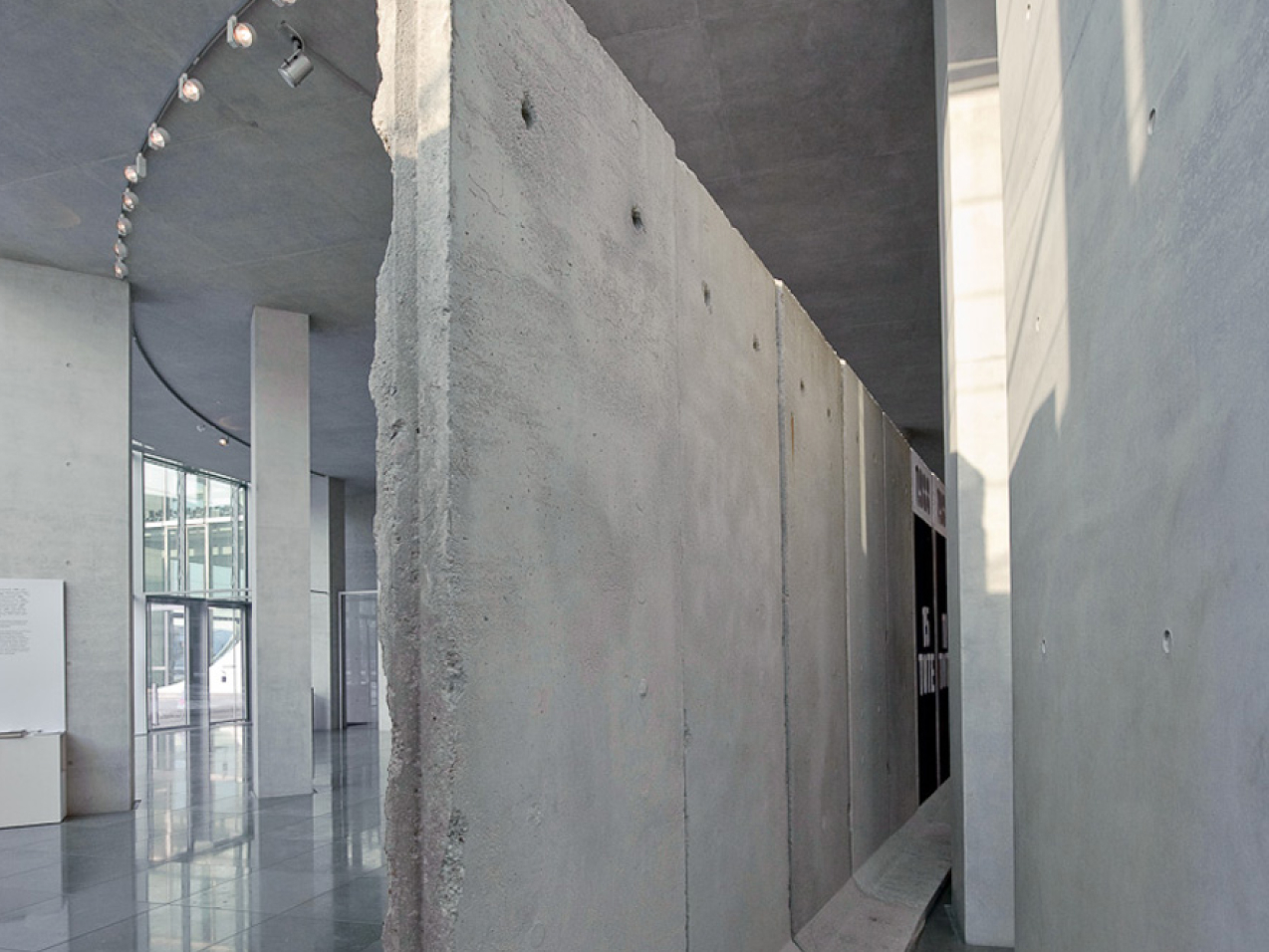
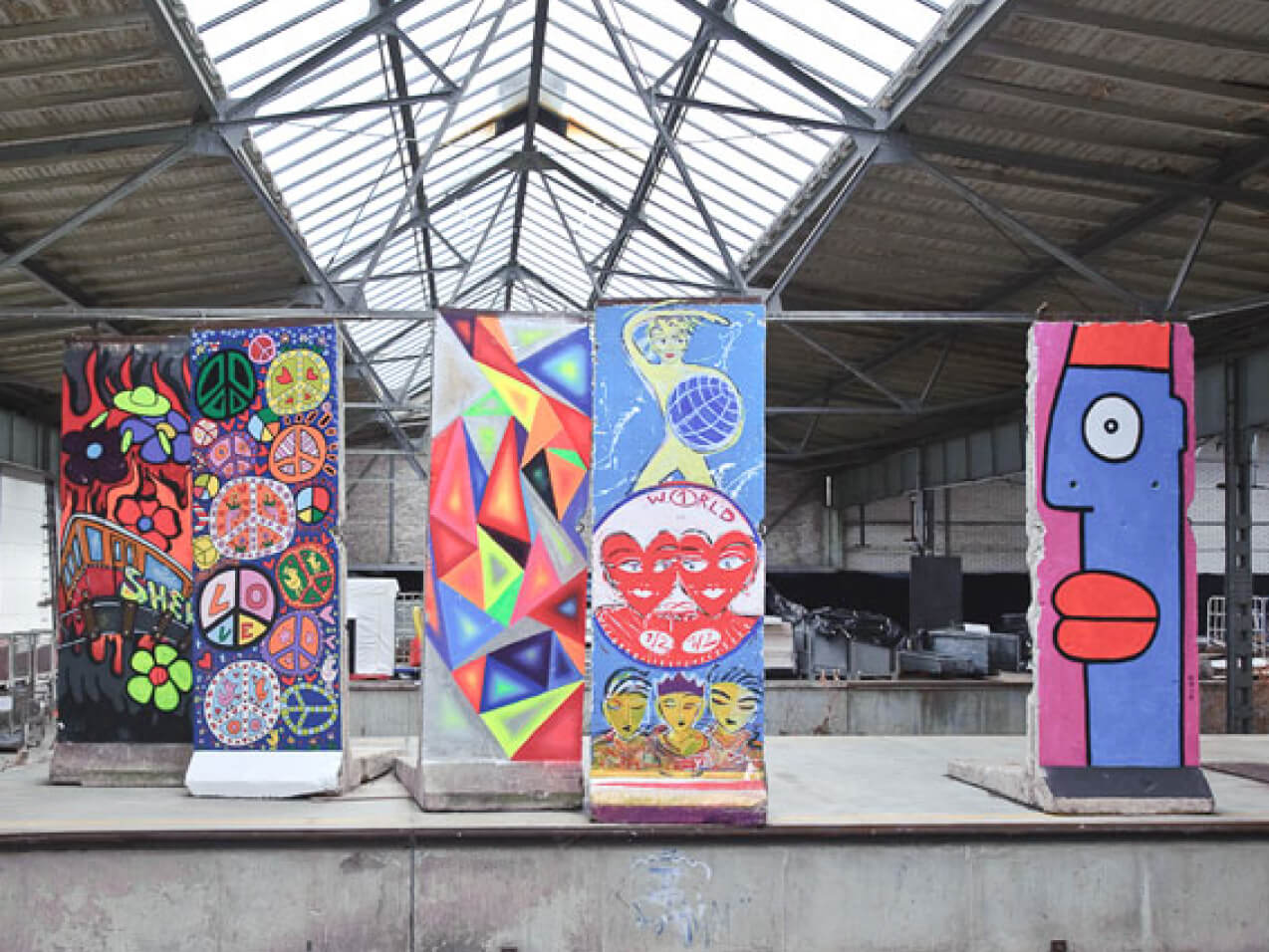
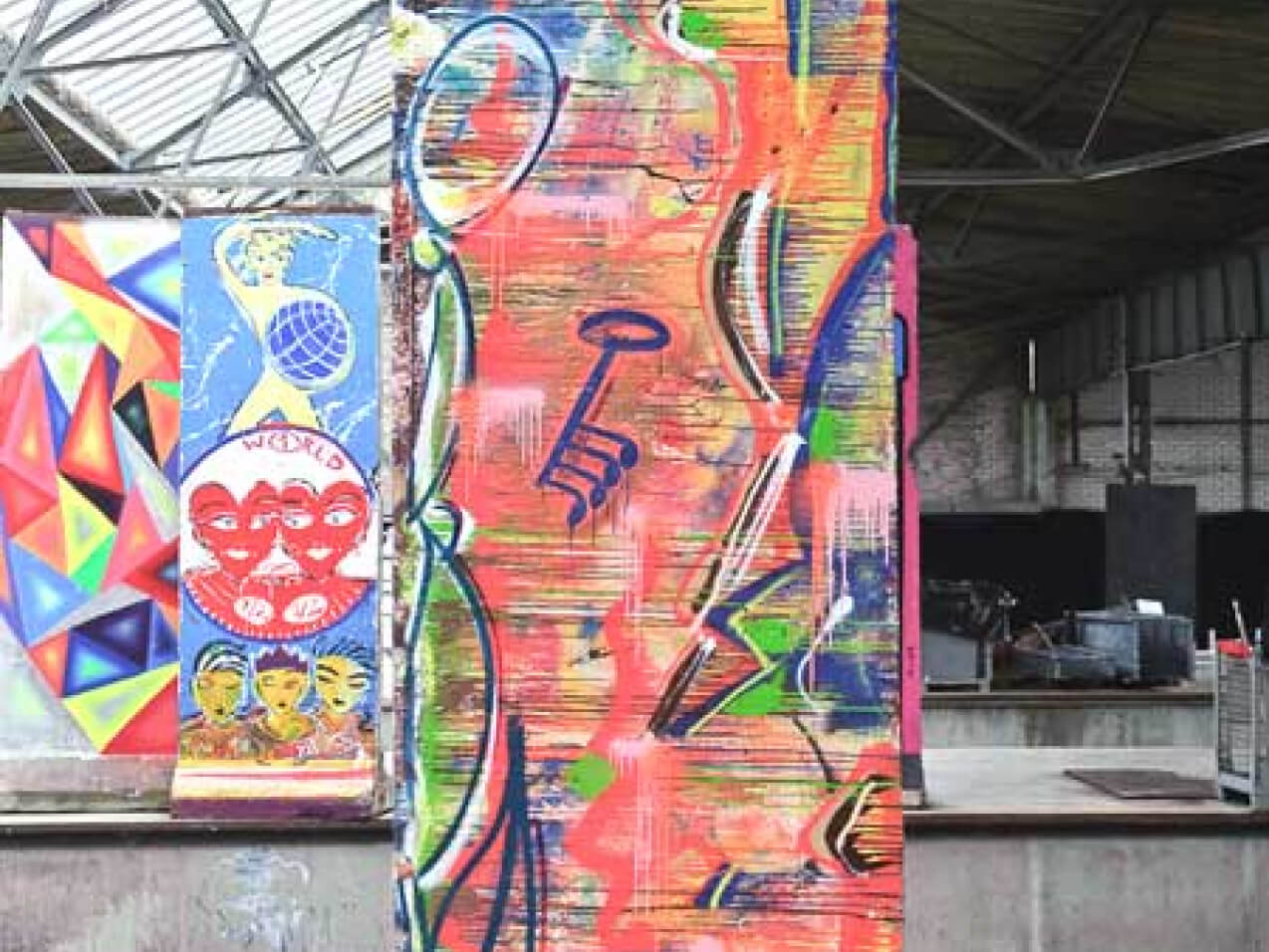
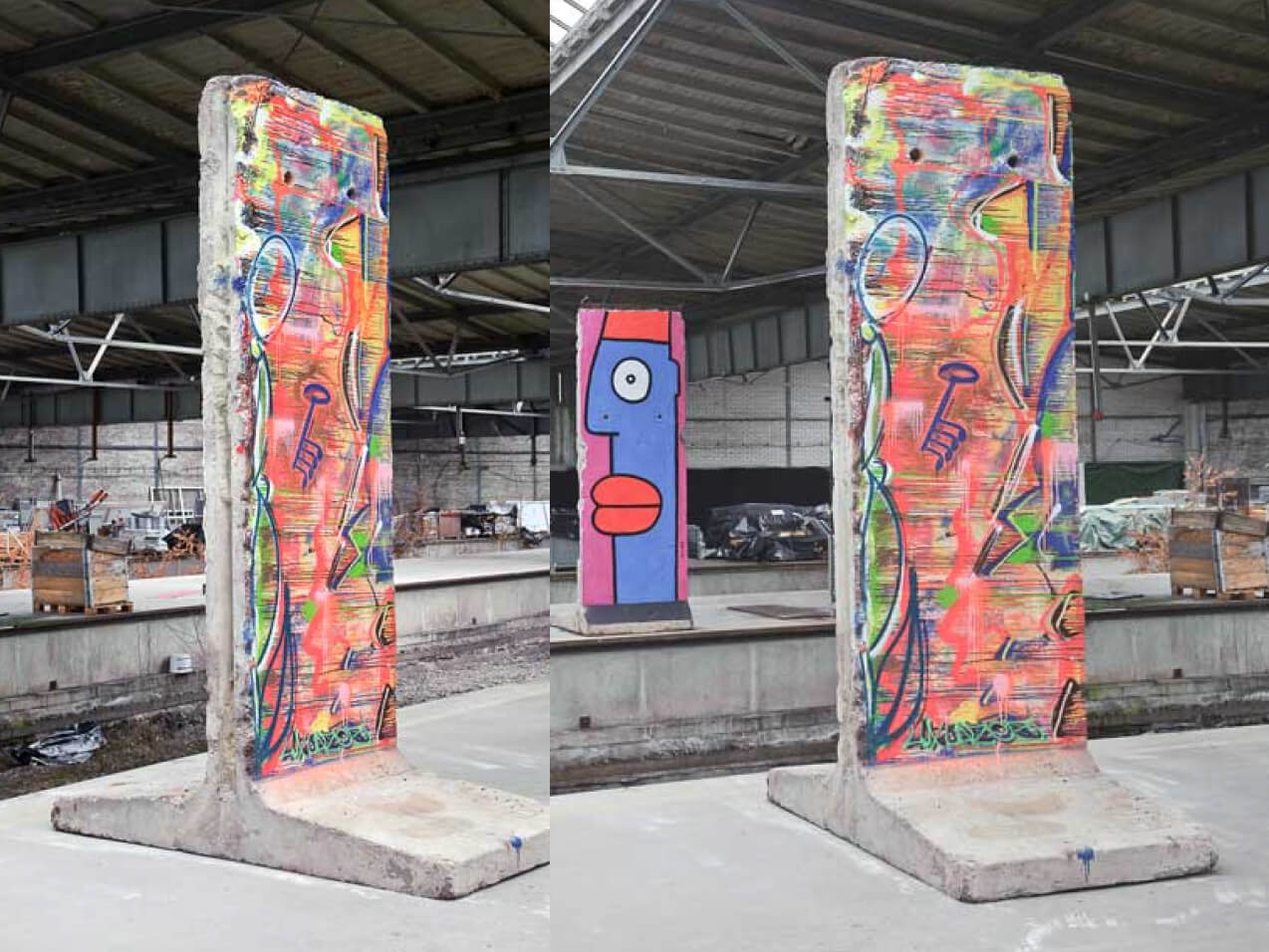
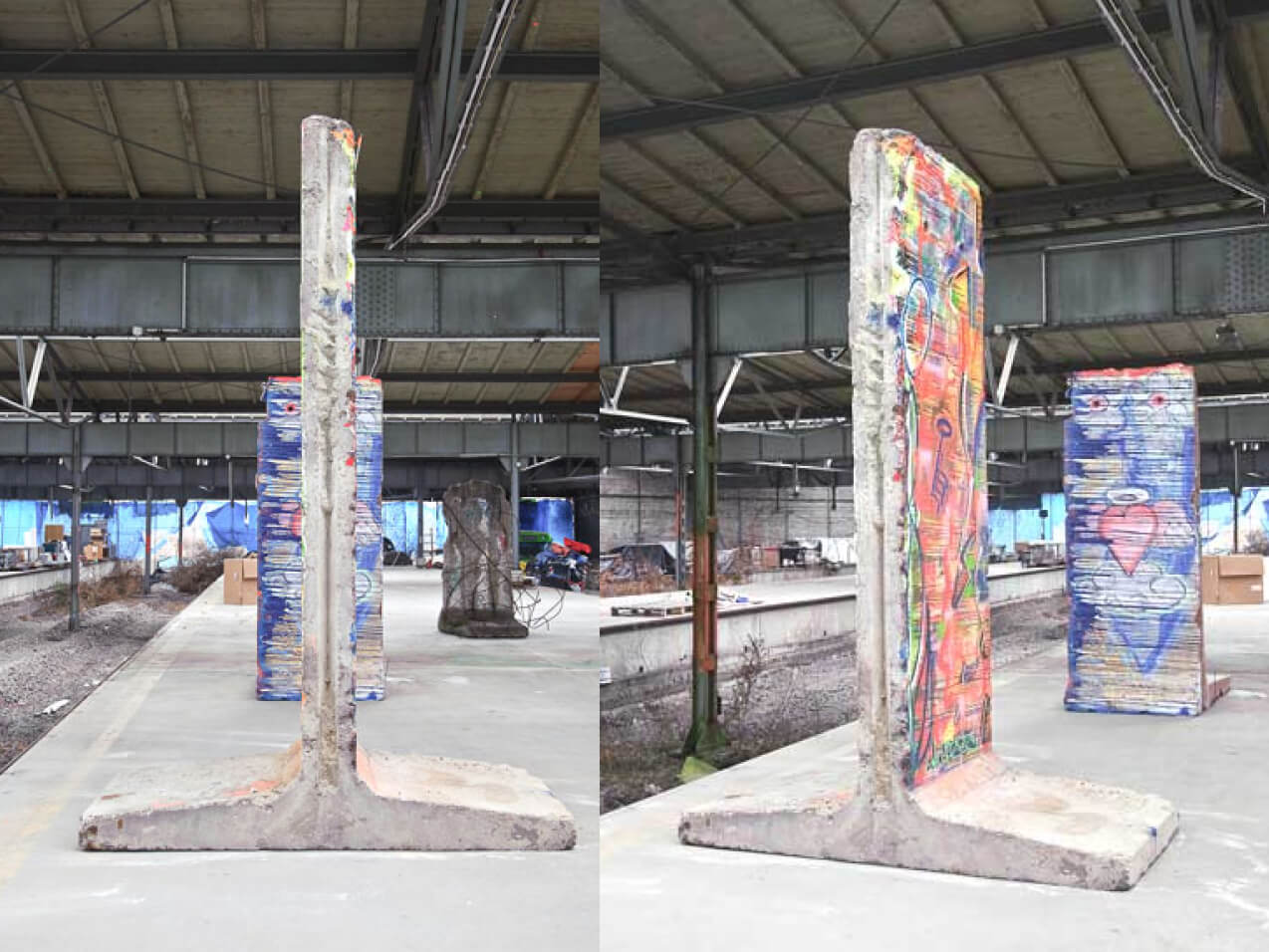
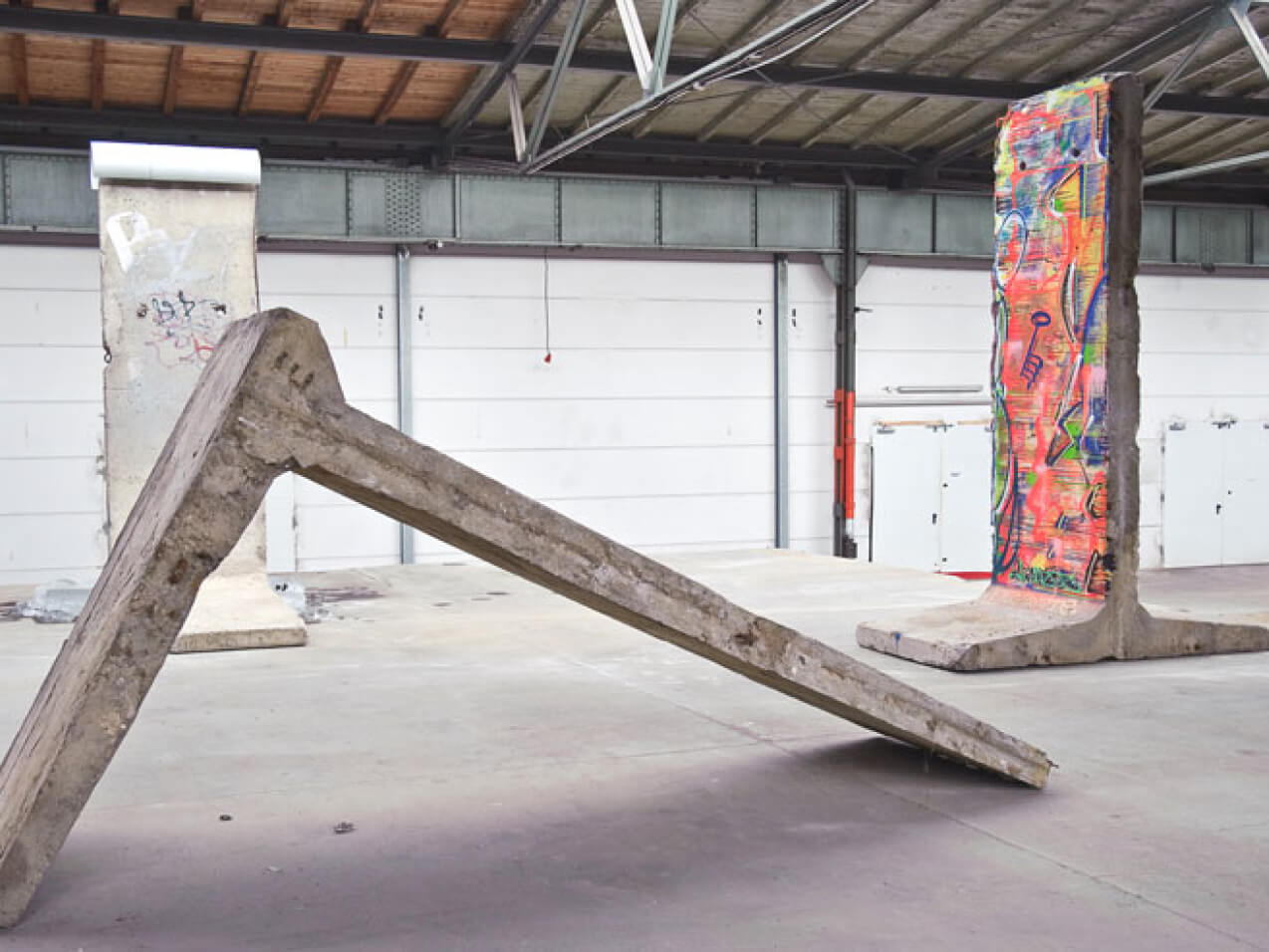
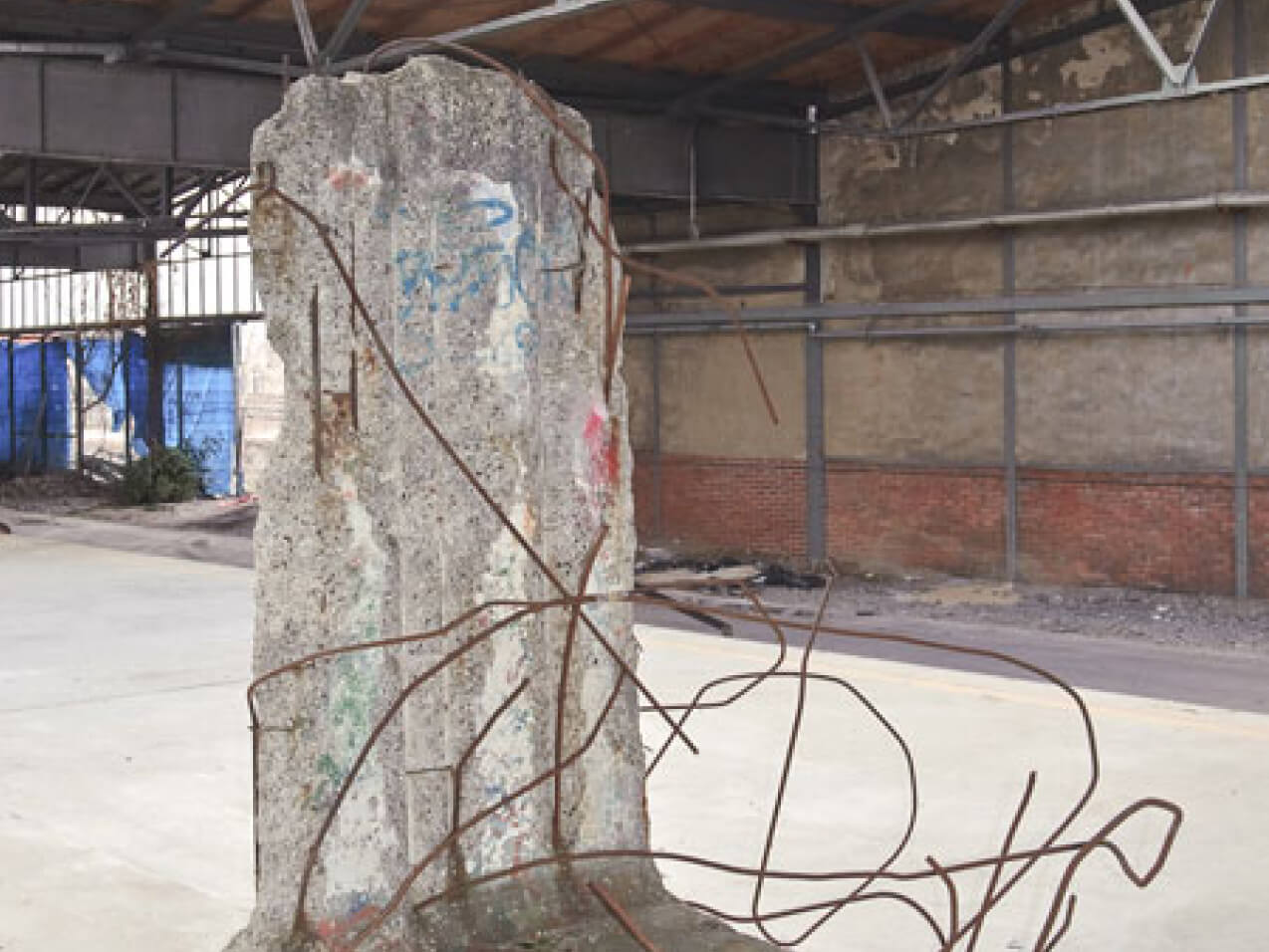
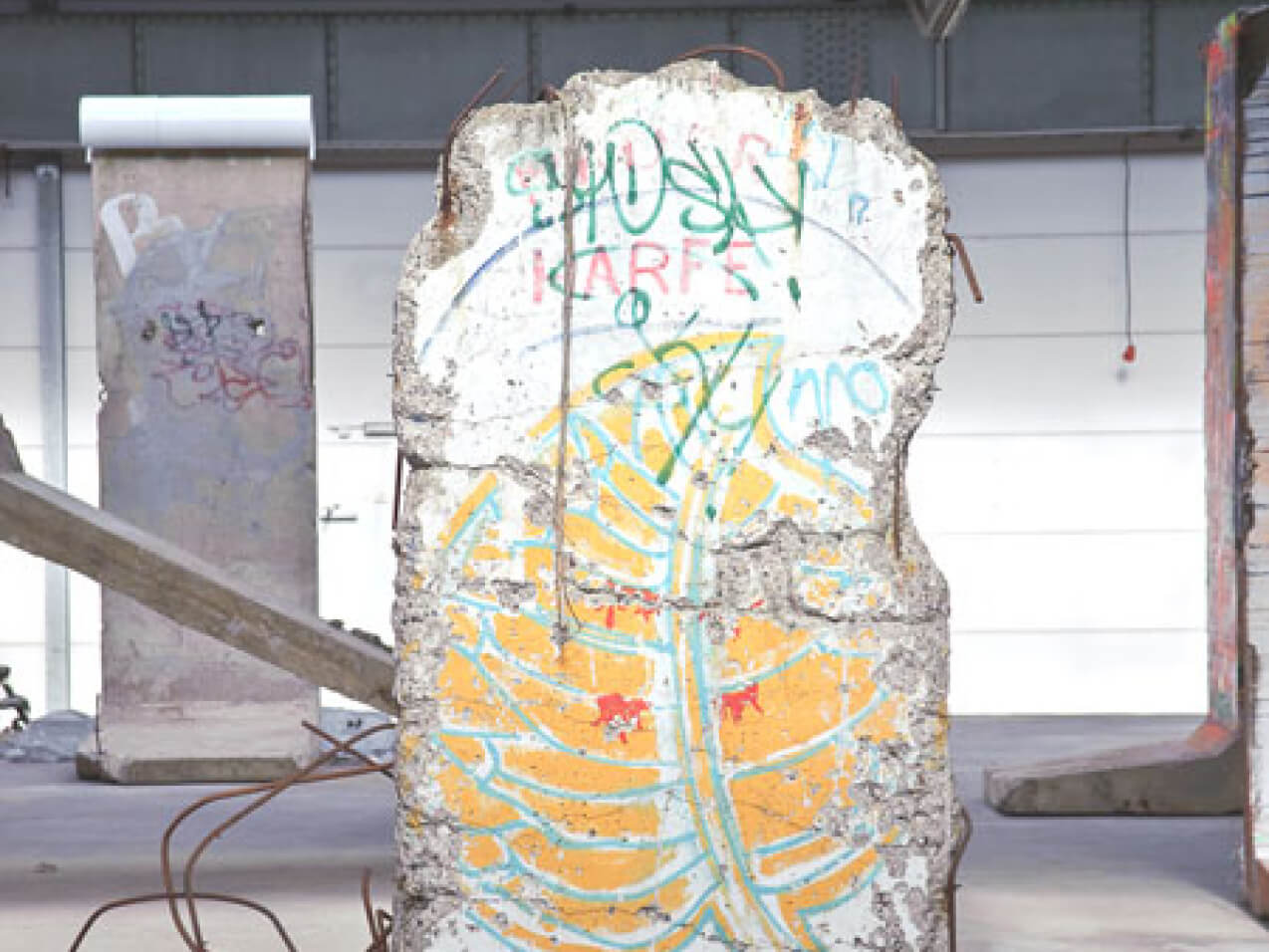
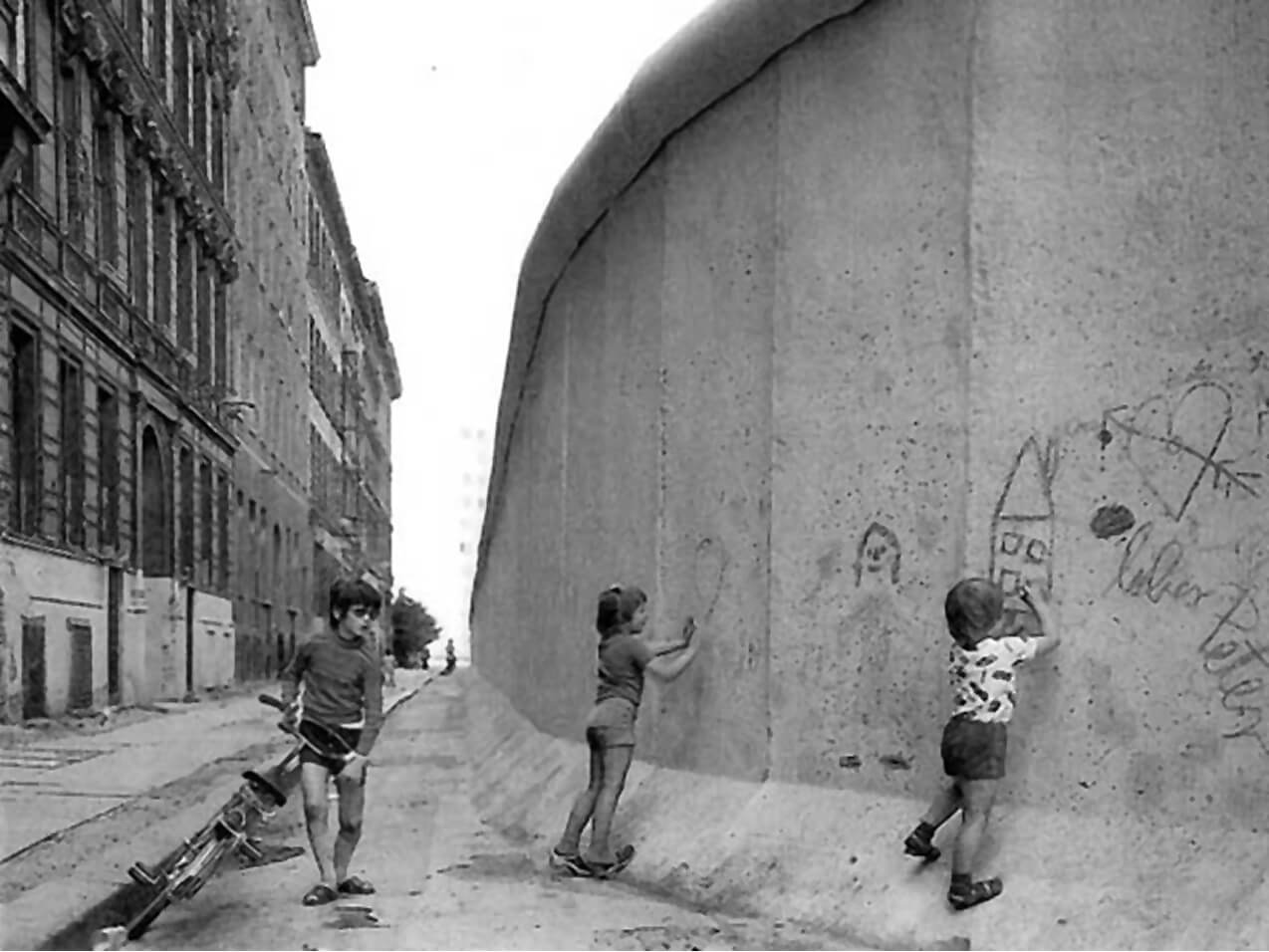
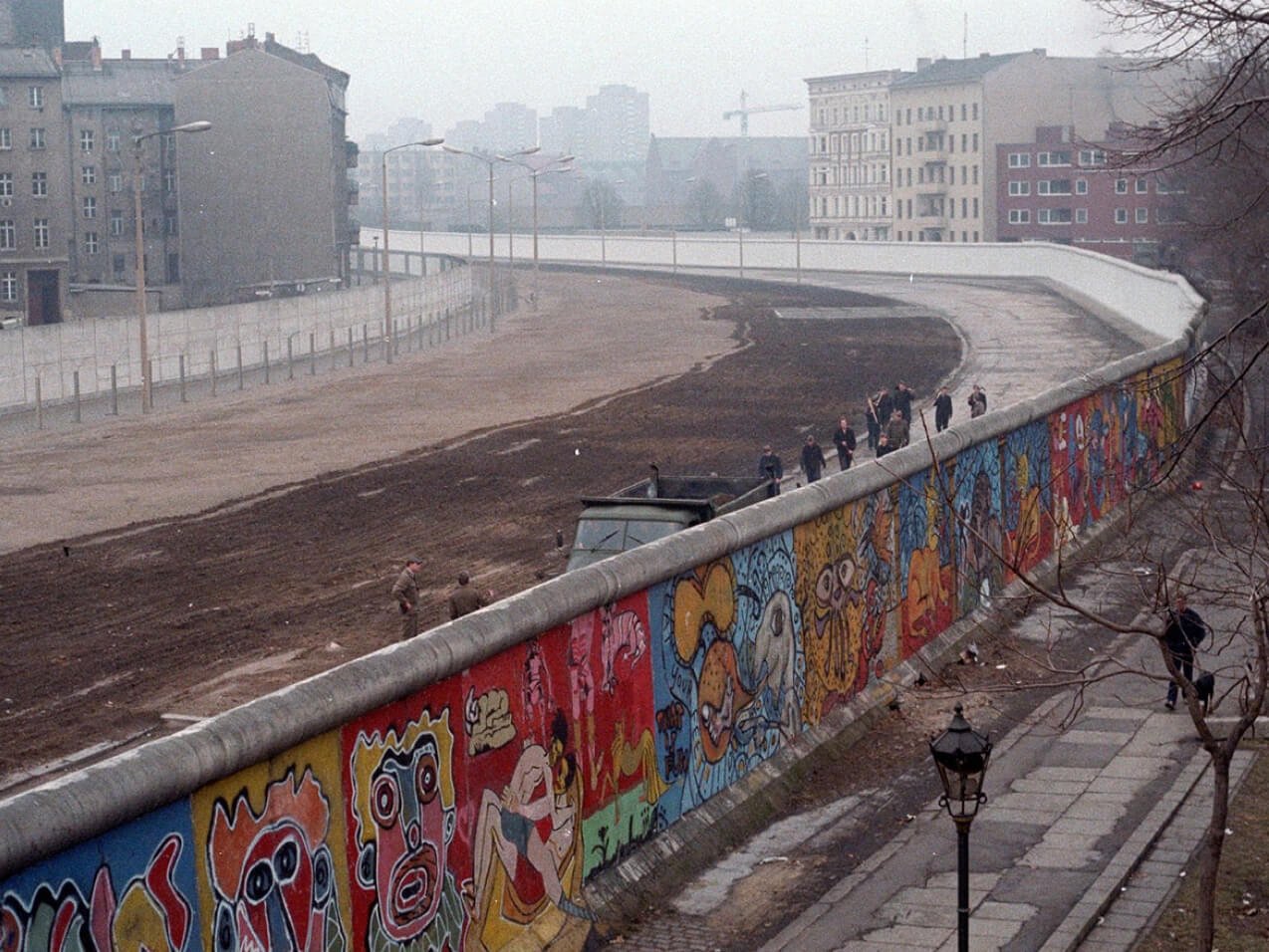
The L-shaped segments, weighing around 2,750 kg, and the T-shaped segments, weighing around 3,300 kg, were manufactured back then by VEB Baustoffkombinat Neubrandenburg, based in Malchin, which also produced boundary elements for the agricultural sector.
The components were structurally optimised in line with the ‘protection requirements’ for the so-called ‘Anti-Fascist Protection Rampart’ for use as a border fortification. The solid base was designed to prevent the border structure from being breached by heavy vehicles.